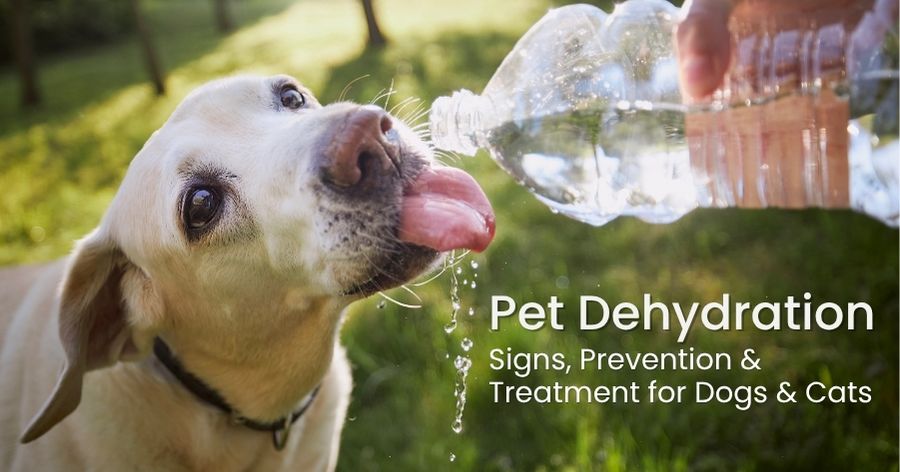
Pet dehydration affects countless dogs and cats every year, and the problem intensifies during Georgia’s hot, humid summers. What many pet owners don't realize is that dehydration often develops silently—by the time you notice symptoms, your pet may already need professional care.
The good news? Dehydration is almost entirely preventable with awareness, the right habits, and regular wellness care.
In this guide, we'll walk you through what pet dehydration looks like, how to prevent it, when to seek emergency care, and how preventive wellness exams can save you from a visit to the emergency vet. Whether you're a first-time dog owner or a seasoned cat parent, this guide applies to you.
Let's protect your pet's health together.
Dehydration occurs when your pet loses more body fluids and electrolytes than they take in. Unlike humans, pets can't always regulate their hydration levels through behavior, they rely on consistent water access and their owners' awareness.
A pet's body is 60-80% water. That water supports organ function, nutrient transport, temperature regulation, and joint lubrication. When that water balance drops, everything begins to suffer.
Common myth: "My pet drinks plenty of water, so they can't be dehydrated." Not necessarily true. Excessive panting, diarrhea, vomiting, or underlying health conditions can cause rapid fluid loss despite normal drinking habits.
The difference between catching dehydration early and waiting until symptoms are severe can mean the difference between a quick office visit to your vet or an emergency hospital visit.
Early-stage dehydration is easily reversible with hydration and simple home care. Severe dehydration can cause organ failure, seizures, or worse if left untreated. It's not something to guess about.
Regular wellness exams catch dehydration risks before they become emergencies. Pet Prime members benefit from unlimited wellness exams, putting proactive care within reach.
If you notice any of the following moderate symptoms, don't wait. Schedule an appointment at Conyers Animal Hospital for immediate evaluation.
If you notice any of the severe symptoms below, call us immediately at (770) 483-1551. For overnights and weekends, visit East Metro Emergency Clinic. Do not wait. Severe dehydration is a medical emergency.
Cats have a naturally low thirst drive. They're descended from desert animals and evolved to get much of their hydration from food. This means cat owners need to be extra vigilant.
Additionally, chronic dehydration in cats is closely linked to kidney disease, which affects senior cats especially. Keeping your cat well-hydrated is part of preventive health, not just comfort.
If your cat shows multiple signs, schedule a wellness exam. Cats need preventive care just like dogs.
If dehydration keeps recurring, there's likely an underlying health issue. Schedule a wellness exam to rule out kidney disease, diabetes, or infection.
If your pet shows early warning signs and is otherwise alert and responsive, you can often manage mild dehydration at home:
If symptoms don't improve within 24 hours, call your vet.
Don't delay professional care if:
These situations require professional diagnosis and treatment.
Schedule an appointment if symptoms persist beyond 24 hours. Call us at (770) 483-1551.
Here's the truth: most dehydration emergencies are preventable.
Regular wellness exams allow your vet to catch early warning signs before dehydration becomes severe. Annual bloodwork for senior pets can identify kidney disease or diabetes years before they cause emergencies. Educational guidance from your vet helps you build hydration awareness into your daily pet care routine.
Our Pet Prime membership can make a real difference. Pet Prime members receive unlimited wellness exams that can catch problems early, plus discounted bloodwork and diagnostics.
If you're in Conyers, Covington, Social Circle, Lithonia, or anywhere across East Metro Atlanta, you know our summers are intense.
Go immediately if your pet shows:
Don't guess. When in doubt, call us at (770) 483-1551 or East Metro Animal Emergency Clinic at (678) 212-0300. It's better to be cautious with dehydration; complications can develop quickly.
Dehydration is preventable. With awareness, consistent water access, and regular wellness care, you can keep your pet healthy and avoid expensive emergencies.
Schedule your pet’s next wellness exam by calling (770) 483-1551 or schedule online. We’re here to help you when your pet needs it most!
During your visit, ask us about Pet Prime’s savings or enroll online today.